


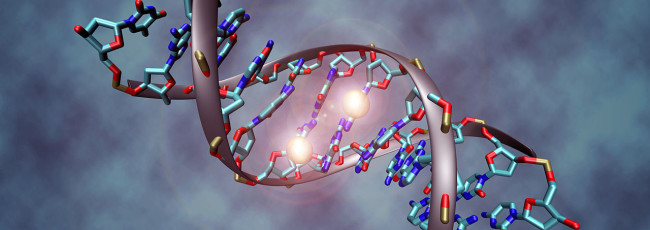
Utilizando biologia molecular STATE-OF-THE-ART e abordagens estatísticas, pesquisadores do Cento de Câncer Norris Cotton (NCCC) da Universidade Dartmouth, em New Hampshire, identificaram o papel funcional de duas distintas modificações de DNA em tecidos do glioblastoma (GBM). A assinatura de uma dessas perturbações de padrão em particular, 5hmC, teve uma associação particularmente forte com a sobrevivência do paciente.
O Glioblastoma (GBM) é um tipo raro, mas fatal, de câncer que se origina no cérebro. São confirmados cerca de 12000 novos casos nos Estados Unidos a cada ano, e sua natureza altamente penetrada o torna particularmente difícil de tratar.
Uma das características moleculares alteradas do GBM é a regulação epigenética deficiente. O epigenoma inclui modificações genéticas que ditam quais genes são acionados e quais são desativados em um tipo específico de célula. Os defeitos aqui são conhecidos por contribuírem com o câncer e os métodos atuais para prever o prognóstico de tumor cerebral são baseados subtipos de tumores epigenéticos. Entretanto, o epigenoma é complexo e há marcas epigenéticas descobertas recentemente que seguem pouco estudadas em GBM.
Liderados pelo Ph.D. Brock Christensen, pesquisadores invadem novo território ao analisar o perfil de modificações de DNAs múltiplos, 5-methylcytosine (5mC) e 5-hydroxymethylcytosine (5hmC), em um conjunto de 30 glioblastomas em colaboração com clínicos do NCCC. “Um grande interesse tem surgido no detalhamento de funções das modificações de DNAs distintos tanto em tecidos saudáveis, como em tecidos da doença”, disse Christensen. “Aqui, nós descobrimos que os padrões de DNA específicos 5mC e 5hmC são interrompidos em GBM
Led by Cancer Center Member, Brock Christensen, PhD, Associate Professor of Epidemiology at Dartmouth’s Geisel School of Medicine, researchers broke new territory by analyzing the profile of multiple DNA modifications, 5-methylcytosine (5mC) and 5-hydroxymethylcytosine (5-hmC), in a set of 30 glioblastomas in collaboration with clinicians at NCCC. “An intense interest has emerged in detailing the functional role of distinct DNA modifications in both healthy and disease tissues,” said Christensen. “Here, we uncovered that specific DNA 5mC and 5hmC patterns are disrupted in GBM and uniquely characterize the molecular switches of the genome known as ‘enhancers.’ Importantly, we discovered that 5hmC signatures had a particularly strong association with patient survival.” Their paper detailing these patterns, “5-Hydroxymethylcytosine localizes to enhancer elements and is associated with survival in glioblastoma patients,” has been published in Nature Communications.
Previous technical limitations prohibited scientists from simultaneously studying high-resolution 5mC and 5hmC levels in a cancer genome. The Dartmouth study utilizes state-of-the-art molecular biology and statistical approaches, including the Dartmouth Discovery Computing Cluster and Nano String nCounter technology, to identify the levels of the distinct DNA modifications across the critical regions of the genome. “Together, our work reveals more about the powerful influence of the epigenome in cancer and highlights the distinct functional role of 5hmC,” explains Christensen.
This was the first investigation to describe 5hmC distribution in the glioblastoma genome and its relationship with patient survival. Looking ahead, these findings suggest that future mapping of the epigenome in a larger cohort of brain tumors may improve prognosis and help inform treatments.
Fonte: https://www.sciencedaily.com/releases/2016/11/161125104619.htm